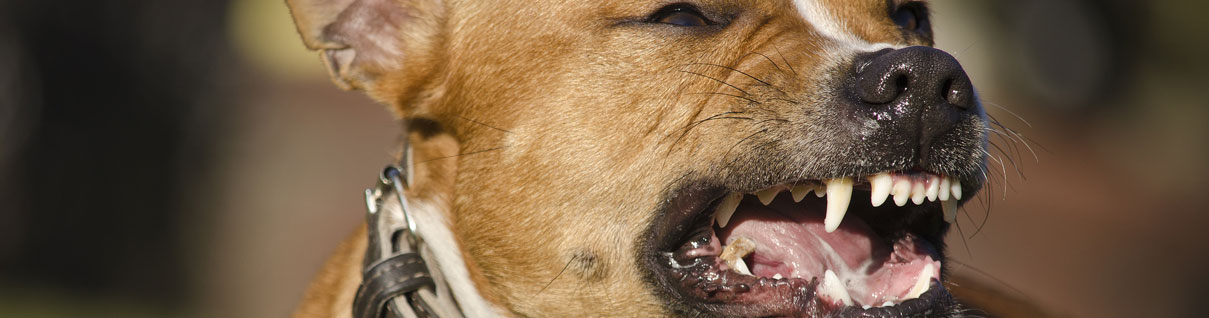
Dog bites are among the most common injuries we see — delivery drivers and postal workers, children visiting a neighbor’s yard, joggers on residential streets, guests at apartment complexes. Beyond the immediate wound, dog attacks frequently cause infections, nerve damage, permanent scarring (often to the face and hands), and a lasting fear of animals, especially in children.
Nevada’s dog bite law is different from many states’, and understanding the difference matters to your case.
Nevada Does Not Have Automatic “Strict Liability” for Bites
Some states make a dog’s owner automatically responsible for any bite. Nevada does not. Here, liability is generally proven in one of these ways:
- Negligence. The owner failed to use reasonable care to control the dog — for example, letting a large or excitable dog roam unfenced, or ignoring warnings that the dog lunges at visitors.
- Knowledge of dangerous tendencies. If the owner knew the dog had previously bitten, snapped at, or menaced people, keeping it in a position to hurt someone is clear grounds for liability. Nevada does not give every dog “one free bite”; prior aggressive behavior of any kind can establish the owner’s knowledge.
- Violating a safety ordinance. Clark County and the cities within it require dogs to be leashed or otherwise controlled in public (see, e.g., Clark County Code § 10.36). An off-leash dog that attacks someone in a park or on a sidewalk puts the owner in violation of the law — which can establish fault in itself.
- “Dangerous” or “vicious” dogs. Nevada’s NRS 202.500 defines dangerous and vicious dogs and imposes criminal duties on their owners. A prior dangerous-dog designation is powerful evidence in a civil case — though your civil claim does not depend on the dog ever having been declared dangerous.
Who Pays
Dog bite claims are most often paid by the dog owner’s homeowner’s or renter’s insurance, not out of the owner’s pocket. This matters to many clients, because the dog often belongs to a friend, relative, or neighbor. The claim is against an insurance policy they pay for precisely to cover this situation. In some cases a landlord or property manager who knowingly allowed a dangerous dog on the premises may also share responsibility.
What to Do After a Bite
- Seek medical care promptly — bite wounds carry a high infection risk, and the record of treatment documents your injury.
- Report the bite to animal control; their investigation creates an official record of the incident and the dog’s history.
- Photograph your injuries immediately and throughout healing, and identify the dog and its owner if you safely can.
- Talk to a lawyer before giving a statement to any insurance company.
Nevada’s two-year statute of limitations (NRS 11.190) and comparative fault rule (NRS 41.141) apply to dog bite cases. Consultations are free, and you pay no fee unless we recover for you. If you or your child has been bitten, call 702-737-0000.