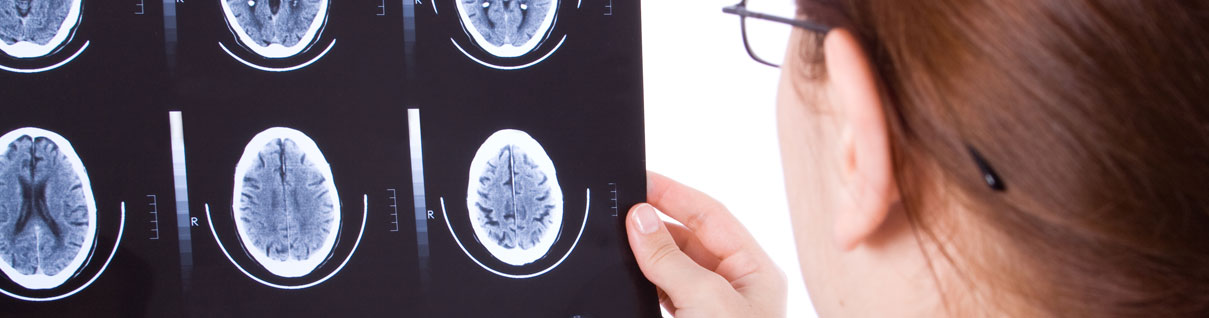
Of all the injuries a person can suffer in an accident, a traumatic brain injury is among the most life-altering — and the most likely to be underestimated at first. Unlike a broken bone, a brain injury is invisible on the outside. People who “look fine” after a crash or a fall may be struggling with memory loss, concentration problems, personality changes, headaches, sleep disruption, depression, or mood swings that affect every part of their lives and their families’ lives.
Brain injuries happen in car and truck crashes, motorcycle and bicycle accidents, falls, and any incident involving a blow to the head or a violent jolt. Importantly, a brain can be injured without the head ever striking anything — the sudden deceleration of a rear-end collision alone can be enough.
Why These Cases Demand Special Care
Brain injury claims are different from ordinary injury cases in two ways. First, the diagnosis is often delayed. Symptoms may emerge over days or weeks, and mild traumatic brain injuries do not always appear on a CT scan or MRI. Insurance companies exploit that gap, arguing the injury is exaggerated or unrelated to the accident. Second, the consequences are long-term. A concussion that “resolves” may leave lasting deficits; a moderate or severe injury can mean a lifetime of care, lost earning capacity, and profound changes to personality and independence.
A fair evaluation of a brain injury case requires more than emergency room records. It often involves neurologists, neuropsychological testing, life-care planners, and economists who can translate a permanent injury into the financial support a person will actually need. We build these cases with that level of documentation, because settling early for what looks like a “good” number can leave a client without resources years down the road.
Nevada Law and Brain Injury Claims
The same legal framework that governs other Nevada injury cases applies here: the person or company whose negligence caused the injury is responsible for the harm; Nevada’s comparative fault rule (NRS 41.141) allows recovery if you were not more than 50 percent at fault; and most lawsuits must be filed within two years (NRS 11.190). Because symptoms evolve, the two-year deadline can arrive before the full extent of the injury is even understood — one more reason to get legal guidance early rather than late.
For Families
Often it is a spouse, parent, or adult child who first realizes something is wrong: the injured person seems different, forgetful, irritable, or exhausted. Trust that observation and seek neurological evaluation. When you come to us, we can also discuss who may act on the injured person’s behalf if they cannot manage a claim themselves.
Consultations are free, and there is no attorney’s fee unless we recover compensation. If you or a loved one is dealing with the effects of a head injury after an accident in Southern Nevada, call 702-737-0000.